Every Muslim naturally desires sustenance that is halal, blessed, and sufficient to meet their needs. In Islam, sustenance is not limited to money or material possessions, but also includes good health, peace of mind, a harmonious family, and ease in life.
In addition to working hard and doing one’s utmost, Islam teaches various Sunnah practices that can open the doors to sustenance. These practices not only bring a servant closer to Allah SWT but also serve as a means for blessings to enter one’s life.
So, what are the recommended Sunnah practices to facilitate sustenance? Here is the explanation.
1. Increasing Istighfar
Furthermore, one of the practices most frequently mentioned in the Qur’an as a means of opening the doors to sustenance is to frequently seek forgiveness from Allah SWT.
Allah says in Surah Nuh, verses 10–12:
“So I said (to them), ‘Seek forgiveness from your Lord; indeed, He is the Most Forgiving. Surely He will send down abundant rain from the sky upon you, increase your wealth and children, and provide gardens and rivers for you.'”
This verse indicates that seeking forgiveness not only erases sins but also serves as one of the causes for the arrival of sustenance and blessings.
How to Practice It:
Recite “Astaghfirullah wa atubu ilaih” after prayer.
Increase your istighfar in the morning and evening.
Make istighfar a part of your daily remembrance.
2. Maintaining the Dhuha Prayer
Furthermore, the Dhuha prayer is one of the Sunnah acts highly recommended by the Prophet Muhammad (peace be upon him). Many scholars explain that this prayer is associated with blessings in one’s sustenance.
In a hadith qudsi, Allah says:
“O son of Adam, do not neglect four rak’ahs at the beginning of the day (Dhuha prayer), for I will surely suffice your needs until the end of the day.”
The Dhuha prayer serves as an expression of a servant’s reliance on Allah and a spiritual effort in seeking provision.
Time for Dhuha Prayer:
It begins approximately 15 minutes after sunrise.
It ends before the time for Zuhr prayer begins.
3. Giving Charity Sincere
Furthermore, many people believe that giving charity will deplete their wealth. However, in Islam, charity is actually one of the factors that leads to an increase in one’s provision.
The Prophet Muhammad (peace be upon him) said:
“Wealth is not diminished by charity.”
Charity opens the door to blessings, removes hardships, and serves as a means of drawing closer to Allah (SWT).
Forms of Charity:
- Giving money to those in need.
- Donating to the construction of a mosque.
- Providing food to neighbors or the poor.
- Helping others with one’s labor and knowledge.
4. Fostering Social Bondsi
Furthermore, maintaining good relations with family, relatives, and fellow Muslims is a Sunnah practice of great merit.
The Prophet Muhammad (peace be upon him) said:
“Whoever wishes for his provision to be increased and his lifespan to be extended should maintain family ties.”
This hadith highlights the close connection between maintaining family ties and an abundance of provision.
Benefits of Maintaining Family Ties:
Expanding social and business networks.
Fostering a spirit of mutual assistance.
Bringing blessings into one’s life.
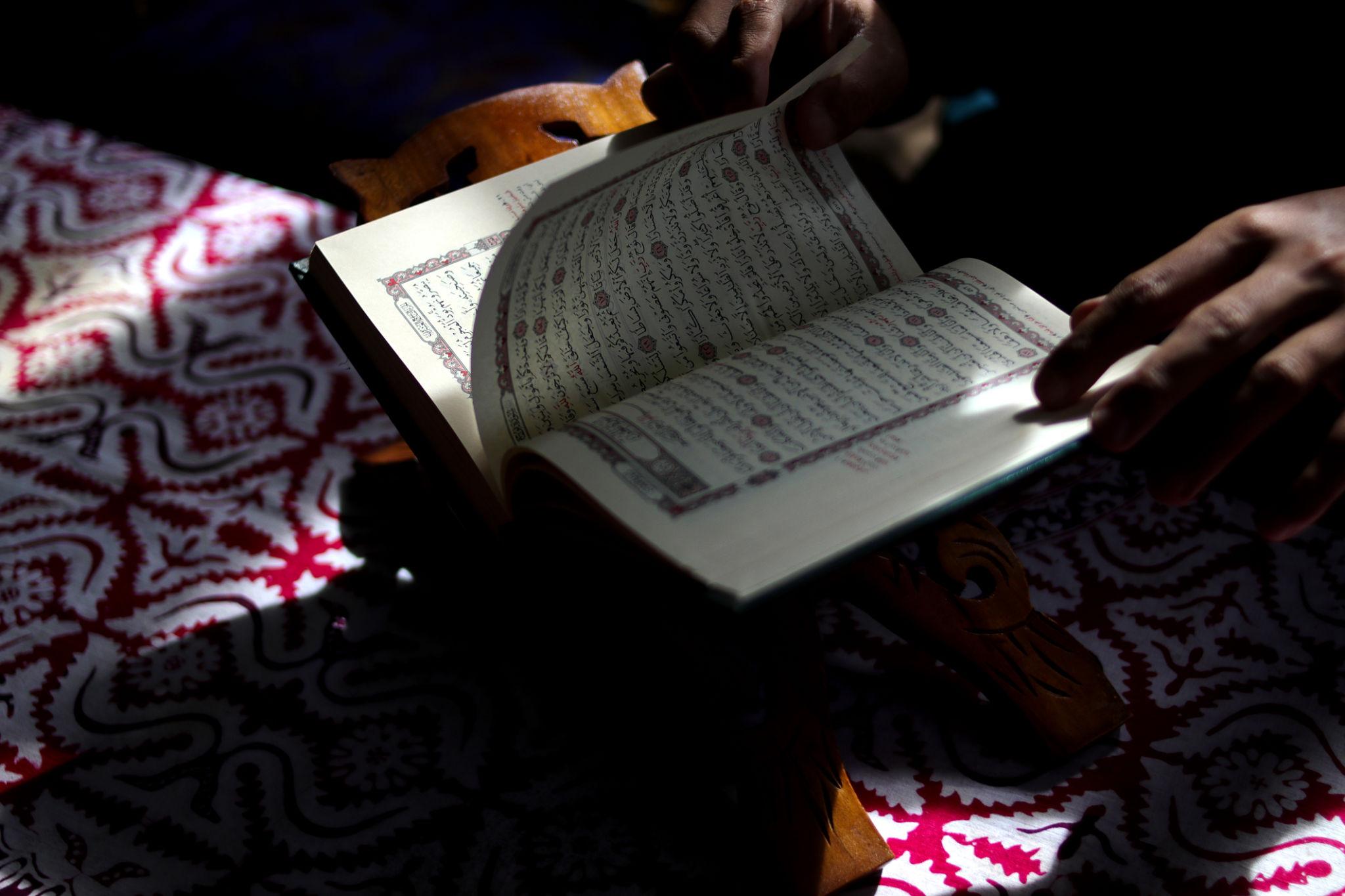
5. Reading and Practicing the Qur’an
Furthermore, the Qur’an is a guide to life that brings blessings to anyone who reads and practices it.
Setting aside time each day to read the Qur’an can bring peace of mind and open the door to unexpected blessings.
Tips for Putting It into Practice:
Read at least one page every day.
Understand the meaning of the verses you read.
Apply the teachings of the Qur’an in your daily life.
6. Wake up in the Last Third of the Night toTahajud
Furthermore, the Tahajud prayer is a Sunnah practice that is deeply beloved by Allah SWT. There are many stories of scholars and pious people who experienced ease in their lives after regularly performing Tahajud.
During the last third of the night, prayers are more likely to be answered because it is a time filled with blessings.
The Virtues of Tahajud:
- Drawing closer to Allah.
- Calming the heart.
- Opening up various blessings in matters of this world and the hereafter.
7. Reciting Dhikr in the Morning and Evening
Morning and evening dhikr are acts of worship taught by the Prophet Muhammad (peace be upon him) to protect a Muslim from various evils while bringing blessings.
Consistently performing dhikr helps cultivate a sense of gratitude and peace of mind, which are integral parts of one’s provision.
Some dhikr that can be practiced include:
- Tasbih
- Tahmid
- Tahlil
- Takbir
- Reciting Sayyidul Istighfar
8. Relying on Allah After Making an Effort
Furthermore, tawakal does not mean resigning oneself to fate without making an effort. Islam teaches a balance between effort and tawakal.
The Prophet Muhammad (peace be upon him) said:
“If you were to put your trust in Allah with true tawakal, you would surely be provided for just as birds are provided for. The birds go out in the morning hungry and return in the evening full.”
This hadith shows that tawakal must be accompanied by effort, just as birds continue to go out in search of food.
Furthermore, there are many Sunnah practices that can open the doors to sustenance according to Islamic teachings. These range from increasing one’s supplications for forgiveness (istighfar), maintaining the Dhuha prayer, giving charity, fostering social bonds, reading the Qur’an, performing the Tahajjud prayer, reciting dhikr in the morning and evening, to placing one’s trust in Allah (SWT).
Furthermore, it is important to understand that provision is the exclusive prerogative of Allah. These sunnah practices are not a “quick fix” for becoming wealthy, but rather acts of obedience that can bring blessings and ease into one’s life. By combining lawful effort, sincere supplication, and consistent sunnah practices, a Muslim can hope to attain good and blessed provision.
Don’t miss out on a variety of interesting information about travel, lifestyle, and current events on SafarFriendly!